
Oral Cancer Exam in Corpus Christi
An oral cancer exam is a quick, painless check that can catch warning signs early, when treatment is most effective. At Dawod Dental Center, we include this exam as a standard part of your regular dental visits.
Why Oral Cancer Exams Matter
Oral cancer can be serious, but it's much easier to treat successfully when it's caught early. Because early-stage oral cancer often doesn't cause noticeable symptoms, a professional exam is one of the best tools for early detection.
What Happens During the Exam
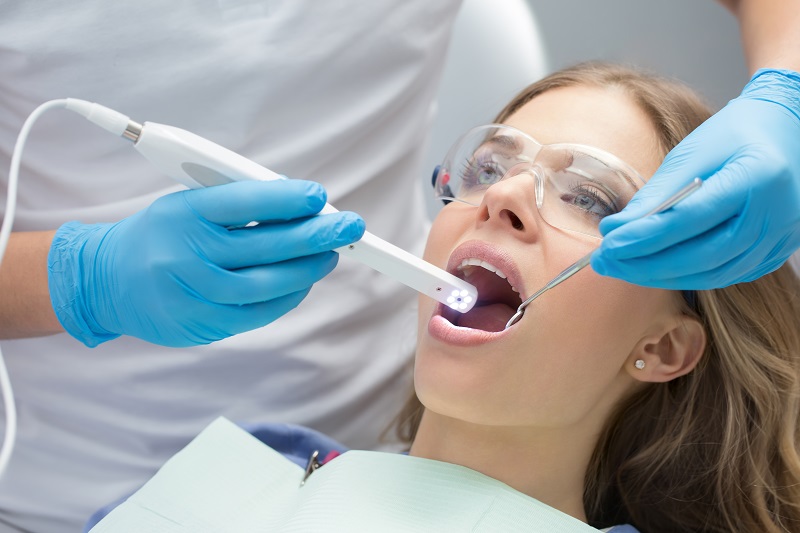
During your exam, we carefully check your lips, cheeks, tongue, gums, and the roof and floor of your mouth for any unusual lumps, patches, or lesions. We'll also feel your neck and jaw for swelling or irregularities. The exam only takes a few minutes and is typically included as part of your routine cleaning and exam visit.
Warning Signs to Watch For
Between visits, it's worth paying attention to any sores that don't heal, persistent white or red patches, unexplained bleeding, or difficulty swallowing. If you notice any of these symptoms, don't wait for your next scheduled visit, call us right away.
Who Should Get Screened
While anyone can develop oral cancer, certain factors like tobacco use, heavy alcohol consumption, and prior HPV exposure can increase risk. Regardless of your risk level, we recommend making this screening a routine part of your dental care alongside your preventative dentistry visits.
Call (361) 992-8531 to schedule your next visit and screening.
Frequently Asked Questions
How often should I get an oral cancer exam?
We include an oral cancer exam as part of your routine cleaning and exam visits, typically every six months.
Is an oral cancer exam painful?
No, the exam is quick, painless, and involves a visual and physical check of your mouth, jaw, and neck.
What are the warning signs of oral cancer?
Warning signs include sores that don't heal, persistent white or red patches, unexplained bleeding, and difficulty swallowing.
Am I at risk for oral cancer?
Tobacco use, heavy alcohol consumption, and HPV exposure can increase risk, but anyone can benefit from routine screening.
What happens if something unusual is found?
We'll discuss next steps with you, which may include further monitoring or a referral for additional testing.
How do I schedule an oral cancer exam?
You can request an appointment online or call us at (361) 992-8531.